When COVID came around, I admit, like everybody else, I was initially scared. Washing my mail, seeing the The Andromeda Strain-like deserted streets, not being able to play with my friends for a good two years; it sucked! But during the lockdown I coddled a special concern for the elementary-age kids who were missing out on the socialization of in-classroom interplay. I worried (and it seems I might have been proven right to be worried) that kids not attending school might suffer as much academically as they might emotionally.
Luckily, in New Jersey we seem to have kept a group of potentially dangerous teachers employed, so as creating a post-COVID survival-of-the-fittest paradigm, without any extra taxpayer money being doled out and until now, not even known to the general public.
A state audit conducted last month unearthed the fact that dozens of New Jersey school employees— teachers, teacher aides, bus drivers and bus aides, custodians, security officers, health professionals and administrators—had been convicted of crimes—which could include felonies, sexual assault, child abuse, certain drug offenses—but remained on school payrolls for up to four years. This was even after their employers were notified.
Let’s hope, for the continued strengthening of our school children’s resolve, these folks also stayed working within the school system.
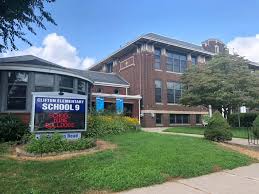
A while back I worked as a substitute teacher across the Clifton elementary school system (yes, I actually did work at School #9, shown in the picture above, where I attended elementary school). I had to be vetted via fingerprint as well as interview to make sure I was not a creeper. I guess they only let you stay if you commit a crime when working already in the school system, dare they not hire you if you have committed one before you start working.
NJ law places the responsibility for removing disqualified employees on the local school districts, not the state. So, to give credit where credit is due, we can’t thank the state of NJ for keeping our kids on their toes, only specific school districts.\
Thank God for them.
And sadly, just because an employee remains on the payroll it does not necessarily mean they are still working with students. And some employees might be paid during an appeal process or while other “administrative procedures” are happening through their convictions.
So, next time you hear a ten-year-old use a twenty-dollar word or are blown away by the quick math calculations of your little niece or nephew, thank a convicted teacher. They make us New Jersey strong.